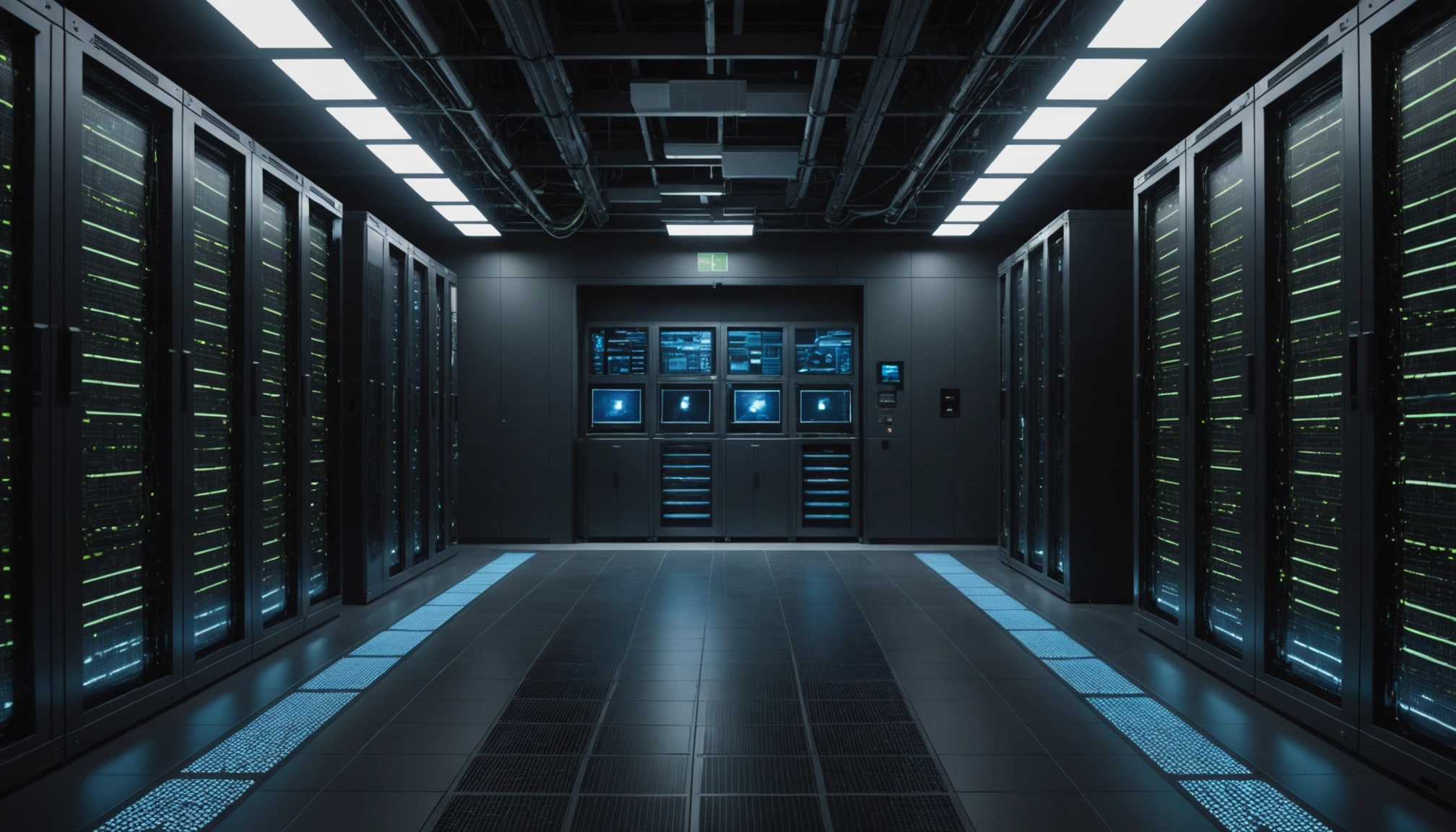
The increasing demand for artificial intelligence (AI) and data centers has put a strain on the US power grid. In response, the Federal Energy Regulatory Commission (FERC) has issued an order to fast-track interconnection requests from data centers and other large electricity users. This move aims to address the growing electricity demands of AI data centers, but it also raises concerns about generating capacity and environmental impact.
Main section 1
The FERC order requires six major grid operators to prioritize data center connections, ensuring that they can connect to the transmission system in a timely and orderly manner. Data centers will be responsible for paying the costs of interconnection. This decision is expected to facilitate the growth of AI data centers, which are projected to nearly triple their electricity demand by 2035. However, it does not address the underlying issue of generating capacity, which has been a major bottleneck in the connection process.
Main section 2
The shortage of generating capacity has led to a backlog of grid connection requests, with some grid operators struggling to keep up with demand. The situation has become so dire that some tech companies and developers have turned to on-site power generation, which is often more expensive and complicated. The FERC order may provide some relief, but it is unclear whether it will be enough to meet the growing demands of AI data centers. Furthermore, the environmental impact of increased power generation and transmission must be considered, as it may contribute to greenhouse gas emissions and other environmental concerns.
Main section 3
The FERC order also provides an opportunity for grid tech startups to innovate and provide alternative transmission technologies. This could include solid-state transformers or superconducting transmission lines, which could improve the efficiency and reliability of the grid. Additionally, the order directs grid operators to be more accommodating to behind-the-meter power for data centers, which could lead to increased adoption of renewable energy sources and reduced reliance on fossil fuels.
Q: What is the main goal of the FERC order?
A: The main goal of the FERC order is to fast-track interconnection requests from data centers and other large electricity users, ensuring that they can connect to the transmission system in a timely and orderly manner.
Q: What is the projected growth in electricity demand from AI data centers?
A: The electricity demand from AI data centers is expected to nearly triple by 2035.
Q: What is the current state of generating capacity in the US power grid?
A: The generating capacity in the US power grid is currently insufficient to meet the growing demands of AI data centers, leading to a backlog of grid connection requests.
Q: What are some potential environmental concerns related to the FERC order?
A: The increased power generation and transmission required to meet the growing demands of AI data centers may contribute to greenhouse gas emissions and other environmental concerns.
Q: What opportunities does the FERC order provide for grid tech startups?
A: The FERC order provides an opportunity for grid tech startups to innovate and provide alternative transmission technologies, such as solid-state transformers or superconducting transmission lines.
Conclusion
The FERC order to fast-track interconnection requests from data centers and other large electricity users is a significant development in the US power grid. While it addresses the growing electricity demands of AI data centers, it also raises concerns about generating capacity and environmental impact. As the US continues to transition to a more digital economy, it is essential to consider the long-term implications of this decision and work towards a more sustainable and efficient energy future. Please refer to the image below for more information. !AI Data Centers Category: NEWS