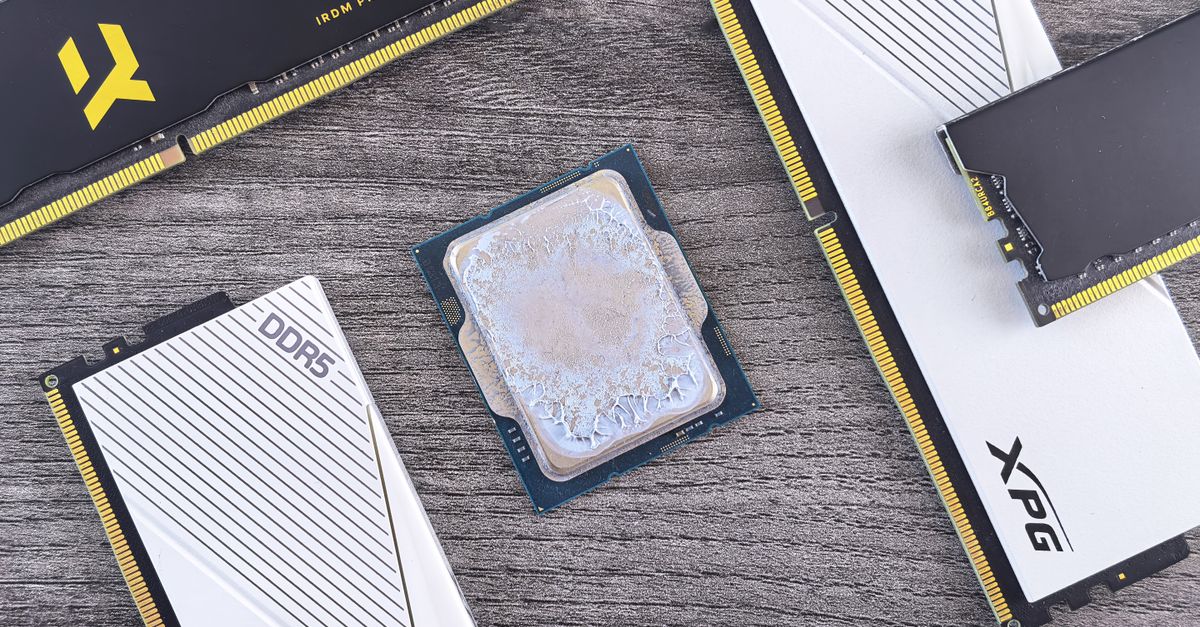
The world of computer processing is complex and multifaceted, with various components working together to ensure seamless operation. One crucial aspect of this ecosystem is the CPU thread, a fundamental concept that significantly influences your computer's performance and efficiency. In this article, we will delve into the realm of CPU threads, exploring what they are, how they function, and their importance in modern computing.
Main section 1
CPU threads are essentially the virtual components of a CPU core that can handle different tasks or processes simultaneously. This allows for multitasking, where your computer can perform several operations at the same time without significant slowdowns. The number of CPU threads your system supports depends on the CPU model and its architecture. For instance, some CPUs may support dual-threading, where each core can handle two threads, effectively doubling the number of tasks that can be processed concurrently.
Main section 2
Understanding how CPU threads work is crucial for optimizing your computer's performance. When you run applications, each one requires a certain number of threads to operate efficiently. For example, video editing software might require multiple threads to handle different aspects of the editing process, such as video rendering, audio processing, and preview generation. By allocating the appropriate number of CPU threads to such applications, you can significantly enhance their performance and overall user experience.
Main section 3
In addition to performance optimization, CPU threads play a vital role in error handling and diagnostics. Advanced diagnostic tools can utilize CPU threads to run multiple tests simultaneously, reducing the time required to identify and troubleshoot issues. This capability is particularly valuable in professional settings, where downtime can result in significant losses. Furthermore, the efficient use of CPU threads can help in minimizing the risk of system crashes and data corruption, ensuring a more stable and reliable computing environment.
Q: What are CPU threads?
A: CPU threads are virtual components of a CPU core that enable the handling of multiple tasks or processes simultaneously.
Q: How do CPU threads impact performance?
A: CPU threads significantly influence performance by allowing for multitasking and the efficient allocation of system resources to different applications and processes.
Q: Can CPU threads be used for diagnostics?
A: Yes, CPU threads can be utilized by diagnostic tools to run multiple tests concurrently, enhancing the speed and efficiency of troubleshooting processes.
Q: Are CPU threads related to the number of CPU cores?
A: The number of CPU threads a system supports is related to but not directly equal to the number of CPU cores. It depends on the CPU's architecture and its ability to handle threading.
Q: How can I optimize the use of CPU threads on my computer?
A: Optimizing CPU thread usage involves understanding the threading requirements of your applications and allocating threads accordingly. This might involve closing unnecessary applications, updating your operating system, or using software that can manage thread allocation efficiently.
Conclusion
In conclusion, CPU threads are a fundamental aspect of modern computing, offering the capability for multitasking, performance optimization, and efficient diagnostics. By understanding how CPU threads work and how to utilize them effectively, you can unlock the full potential of your computer, ensuring a smoother, more efficient, and more productive computing experience. For those interested in exploring more about computer performance and optimization, there are various tools and resources available, including browser tools that can help in diagnosing and resolving issues related to CPU threads and other system components.