DangNH Studio
NEWSEN

Falcon 9 Rocket Crash Into the Moon: A Rare Chance to Witness Lunar Fireworks

02/08/2026 537 views
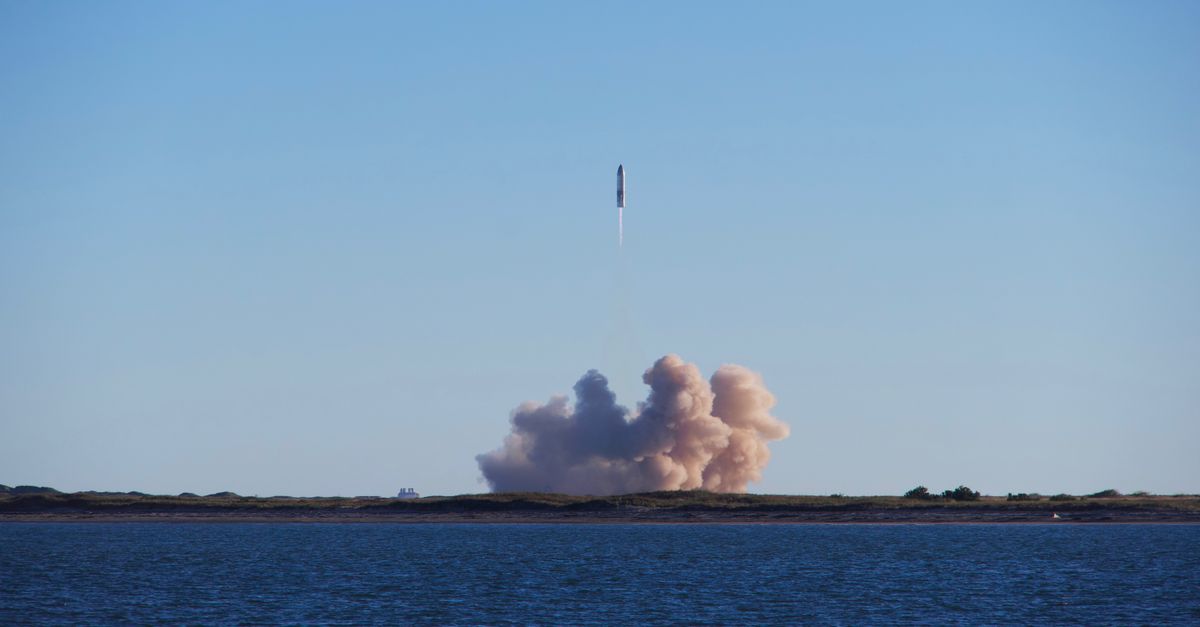
Falcon 9 Rocket Crash Into the Moon: A Rare Chance to Witness Lunar Fireworks

Introduction\nOn the night of August 5, 2026, a spent SpaceX Falcon 9 upper stage is slated to collide with the Moon’s sunlit western limb near Einstein crater. The impact, traveling at more than 5,400 mph, could generate a bright plume of debris that may be captured by amateur and professional telescopes alike—a first for lunar impact flashes on the illuminated face.\n\n## Main section 1\nThe collision is scheduled for 06:34 UTC on August 5. The 3,900‑kg hollow stage, which previously carried two landers to the Moon in January 2025, will strike the surface at a velocity that translates to roughly 2,400 m/s. According to a preprint led by William Jo of the University of Texas at Austin, the impact will displace about 12,700 kg of lunar material, producing a splash that could spread over 183 km in width.\n\n## Main section 2\nSimulations show that the stage’s empty shell will collapse inward rather than burrow like a solid meteorite. The result is a broad, low curtain of soil extending up to 183 km, accompanied by a thin, fast‑moving spike that shoots almost straight up. In the best‑case scenario, the plume could reach 50 km beyond the lunar limb, covering an angular size of about 28 arc seconds—roughly one‑sixtieth of the Moon’s apparent diameter. The peak brightness is expected to occur roughly 90 seconds after impact, giving observers a brief window to capture the event.\n\n## Main section 3\nObserving the plume requires a telescope with a steady mount and a field of view that can resolve 28 arc seconds. The plume will be 30 to 300 times fainter than the surrounding Moon, so scattered moonlight can obscure it. The best viewing conditions are in the U.S. Southeast, where the Moon will be high enough to avoid the thick atmospheric layer that plagues observers north of a line from Massachusetts to Texas. Timing is critical: the flash must be caught at night, and the observer must be prepared to point the telescope at the western limb just before 06:34 UTC.\n\n## FAQ\n### Q: Will the impact be visible to the naked eye?\nA: No. The plume’s brightness is far below what the human eye can detect; a telescope is required.\n\n### Q: What kind of telescope is needed?\nA: A small to medium‑sized telescope with a stable mount and a camera capable of short exposures will suffice.\n\n### Q: How long will the plume last?\nA: The brightest phase peaks about 90 seconds after impact, but the plume can linger for several minutes.\n\n### Q: Can I use a smartphone camera?\nA: A smartphone camera may capture the event, but a dedicated telescope camera will provide clearer data.\n\n### Q: Why is this event important for future lunar missions?\nA: Studying the debris helps scientists understand lunar dust behavior, which is critical for protecting astronauts and equipment on future bases.\n\n## Conclusion\nThe Falcon 9 crash offers a rare laboratory to observe how lunar regolith reacts to high‑velocity impacts. Insights gained will inform dust mitigation strategies for NASA’s Artemis program and China’s lunar ambitions. Mark your calendars, set up your telescope, and witness a moment that could shape humanity’s next steps on the Moon.\n\n!A clean editorial cover of a moon impact with a rocket stage, dramatic lighting, high contrast, no text

Try a related tool

Open the free tool →

#SpaceX#Moon Impact#Astronomy#Falcon 9#Lunar Exploration#NASA#UT Austin#Project Pluto#Astronomy Observations#Artificial Intelligence

Comments

Login or register to comment
Guest can only read posts. Sign in to leave a comment.
PreviousHBO Max in Vietnam: Pricing, Content, and Subtitle Challenges
02/08 1.3K
Next MSI Claw 8 EX AI+ Review: Intel Arc G3 Extreme Powers Next-Gen Handheld Gaming
02/08 1K