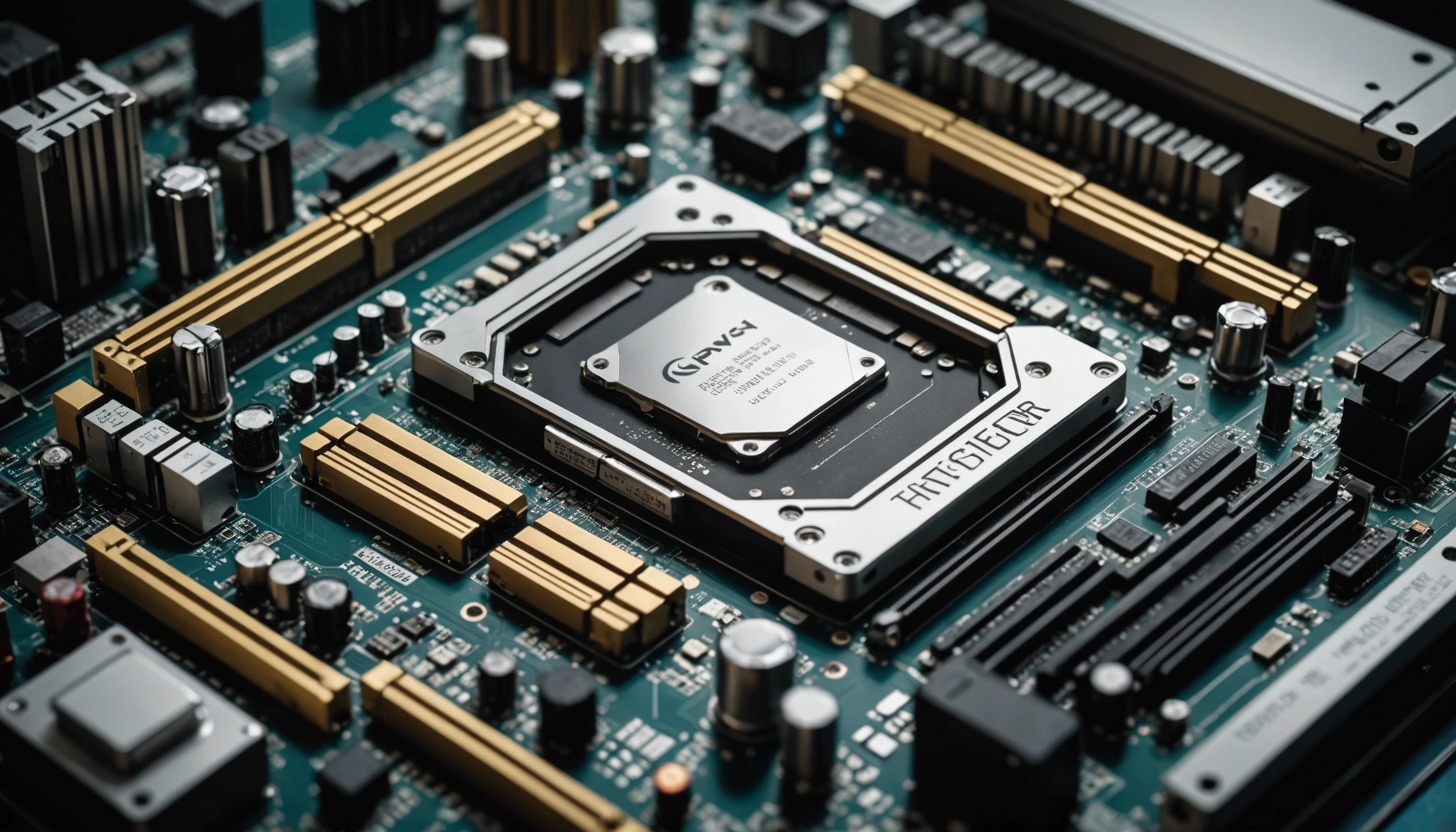
A single material shortage is sending shockwaves through the global technology industry, with motherboard prices surging by 40% due to a little-known polymer called polyphenylene ether (PPE). This high-performance material, essential for electronic circuit boards, has become the unexpected bottleneck in a supply chain that touches everything from smartphones to AI servers. While consumers focus on AI-driven chip shortages, the quiet crisis in PPE production is quietly reshaping how tech products are priced and manufactured worldwide.
The Critical Role of Polyphenylene Ether in Electronics
Polyphenylene ether, or PPE, is a thermoplastic polymer prized for its exceptional thermal stability, electrical insulation properties, and dimensional accuracy. Unlike standard plastics, PPE maintains its structural integrity under extreme heat and electrical stress, making it indispensable for printed circuit boards (PCBs) that power modern electronics. When circuits heat up during operation, PPE ensures components remain securely anchored while preventing thermal expansion that could cause solder joints to fail. Without it, devices would face higher failure rates, shorter lifespans, and increased risk of overheating. PPE is found in everything from smartphones to high-end gaming laptops, where its absence would compromise performance and reliability. The material’s ability to maintain precise tolerances during manufacturing also makes it irreplaceable in applications requiring micron-level accuracy, such as in 5G antennas and AI accelerators.
The Jubail Supply Chain Crisis
The root of this crisis lies in a massive industrial accident at a Dow Chemical facility in Jubail, Saudi Arabia, in April 2024. This plant was responsible for approximately 70% of the global supply of high-purity PPE resin, making it a linchpin in the electronics manufacturing ecosystem. Following the incident, Dow Chemical CEO Jim Fitterling announced plans to reroute shipments of PPE from the Jubail facility for 275 consecutive days to restore logistics and supply chain operations in the region. This disruption created a supply vacuum that could not be quickly filled, as alternative sources lacked the capacity or purity required for high-end electronics. The situation was exacerbated by geopolitical tensions in the Strait of Hormuz, a critical chokepoint for chemical shipments, which had already been causing delays for weeks prior to the Jubail incident. The combination of the industrial accident and shipping bottlenecks created a perfect storm that left manufacturers scrambling for alternatives while prices skyrocketed.
Ripple Effects Across the Technology Sector
The PPE shortage has triggered a domino effect throughout the tech industry. PCB prices have increased by 40% between March and April 2024, according to analysis from PPI Materials, with TTM Technologies confirming a 5-25% rise in inventory costs to offset raw material expenses. This cost inflation is being passed down to consumers, with laptop manufacturers facing the brunt of the impact due to their thin profit margins. Budget smartphones and mid-range laptops are particularly vulnerable, as companies like Samsung and Xiaomi have limited flexibility to absorb these increases. Even premium brands like Apple are not immune, though their larger scale and long-term supplier contracts allow them to mitigate some of the pressure. The ripple effect extends to data centers and AI infrastructure, where high-reliability PCBs are critical for server stability. As one analyst noted, “PCB is the backbone of all electronic devices, and when motherboard prices surge, the pressure quickly spreads to laptops, wearables, gaming consoles, routers, and AI servers.”
Industry Responses and Future Outlook
To navigate this crisis, some manufacturers are exploring alternative materials, though these often require extensive redesigns and quality testing. Epoxy-resin composites, for instance, have shown promise but demand significant engineering adjustments to meet industry standards. Others are extending lead times and securing long-term supply agreements to lock in prices. The situation highlights a broader vulnerability in global supply chains, where a single facility’s shutdown can destabilize entire industries. Experts like Professor Sridhar Tayur from Carnegie Mellon University warn that the concentration of PPE production in one region makes the industry susceptible to future disruptions. If the price gap persists, it could delay the rollout of AI data centers, advanced 5G infrastructure, and high-end consumer electronics. The industry may need to invest in diversifying production or developing more resilient supply networks to avoid similar crises in the future.
FAQ
Q: Why is PPE so critical for motherboards?
A: PPE’s unique combination of thermal stability, electrical insulation, and dimensional precision makes it irreplaceable in PCBs. It prevents component failure under heat stress and ensures micron-level accuracy during manufacturing, which is essential for modern electronics.
Q: How did the Jubail incident affect global supply?
A: The Jubail plant produced 70% of high-purity PPE resin globally. Its shutdown after an industrial accident in April 2024 created an immediate supply vacuum, with Dow Chemical rerouting shipments for 275 days to restore operations, leaving manufacturers without a reliable source.
Q: Are there viable alternatives to PPE?
A: While some companies are testing epoxy-resin composites, these materials often require redesigning PCBs and extensive quality testing. PPE’s specific properties make it difficult to replace without compromising performance or reliability.
Q: Will this shortage affect consumer prices permanently?
A: Short-term price increases are likely to persist as manufacturers adjust to higher raw material costs. However, if supply stabilizes and production diversifies, prices may normalize over time, though some premium may remain due to increased operational costs.
Q: Which tech products are most impacted?
A: Budget smartphones, mid-range laptops, and wearables face the highest pressure due to thin profit margins. Even premium brands like Apple are affected, though their scale and contracts provide some insulation. Data centers and AI infrastructure are also vulnerable due to their reliance on high-reliability PCBs.
Q: Is this just a temporary issue or a sign of deeper supply chain problems?
A: While the immediate crisis may resolve, it exposes systemic vulnerabilities in global supply chains. The concentration of critical materials in single facilities or regions highlights the need for diversification and resilience planning to prevent future disruptions.
Q: What can consumers do to prepare?
A: Consumers may face higher prices for electronics in the short term, especially for budget devices. Those needing specific products should consider purchasing sooner rather than later or exploring alternative models with different component configurations.
Conclusion
As the PPE shortage continues to ripple through the tech industry, one question remains: Will manufacturers invest in building more resilient supply chains, or will we see repeated disruptions whenever a single facility faces challenges? The answer could determine whether the next major tech innovation reaches consumers smoothly—or gets delayed by material shortages.
Try a related tool
Open the free tool →
This article was edited with AI assistance based on publicly available sources and reviewed before publishing.